
Author: Robert “Ninja” Porras | CEO/Founder NinjaBobSolutions LLC
“All statements of fact, opinion, or analysis expressed are those of the author and do not reflect the official positions or views of the US Government. Nothing in the contents should be construed as asserting or implying US Government authentication of information or endorsement of the author’s views.”[i]
Phrase explained:
Carrying an extra magazine can provide peace of mind and increased readiness in case of emergencies, as it offers more ammunition and a backup if your primary magazine fails. However, it also adds bulk and may complicate your everyday carry setup.
Phrase explained as a Ninja-ism:
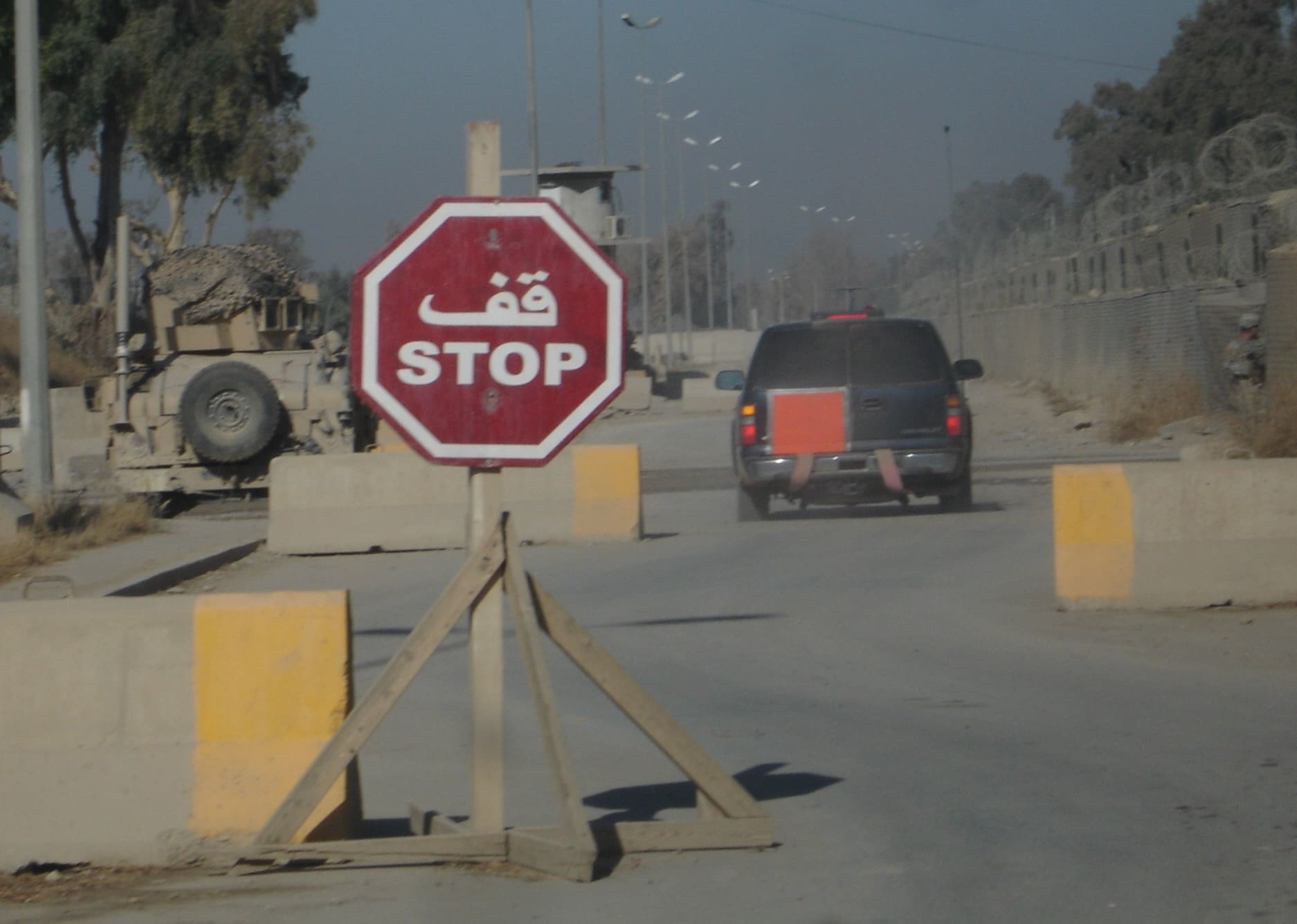
There we were – FOB Marez[ii], Mosul, Iraq – during one of the most contentious periods of the Global War on Terror.
As a team leader on the first of many deployments to that base, I found myself in the team room getting the “scoop[iii]” from my 2IC[iv] on our operational tempo in the area of operations (AO). He had already been on the ground for eight to nine months and had a solid grasp of our recent operational history. He talked me through local threats on the SITMAP; recent attacks on and off base, and the types of operations our military counterparts were conducting.
After hearing all of it, I was ready to get after it. So, I asked the obvious question: “When’s the last time we went out and conducted ops in the AO?” The answer caught me off guard. “As far as I know, we haven’t been out in about six months—it was too dangerous.” That didn’t sit right with me. Supporting clandestine operations in high-threat environments is why we existed. It’s what we do. “We’ll see about that.”
I continued through the standard in-processing briefs with our office and with the U.S. Army ground and air units on base. When I got back to the team room, I issued a WARNO[v] for an AFAM[vi]. It was time to do our job.
Most of the team was ready to move—except for two. Shockingly, the hesitation came from the very ones I expected to step forward first. Both came from Army and Navy Special Operations—guys who should have been leading the charge but instead seemed comfortable riding out their tours on base.
Planning was complete. It was time to execute.
The environment was lethal. U.S. Army ground units were taking hits on patrol. Route clearance teams were detonating IEDs[vii] on their morning runs. Reports were constant—suicide bombings in markets, base attacks, and IED strikes at nearby traffic circles.
This wasn’t theoretical. This was the reality in Mosul.
Long story short – on the day of the AFAM mission, everything was set. Vehicles were prepped. The team was briefed. Adjacent units were coordinated. U.S. military air assets were on standby. QRF[i] was in place. We were ready to roll.
I stepped back into the team room to grab a few last-minute items – probably a couple of Rip Its[ii] – and saw the two hesitant team members still sitting there. I asked them, “You ready?” One of them wasn’t even scheduled to go on the mission, but both looked at me – serious, tense…concerned. Not excitement. Not focus. Concern. They asked if we could talk. “Of course.” They laid it out straight – they didn’t think the mission was worth it. Too dangerous. “The juice isn’t worth the squeeze.”
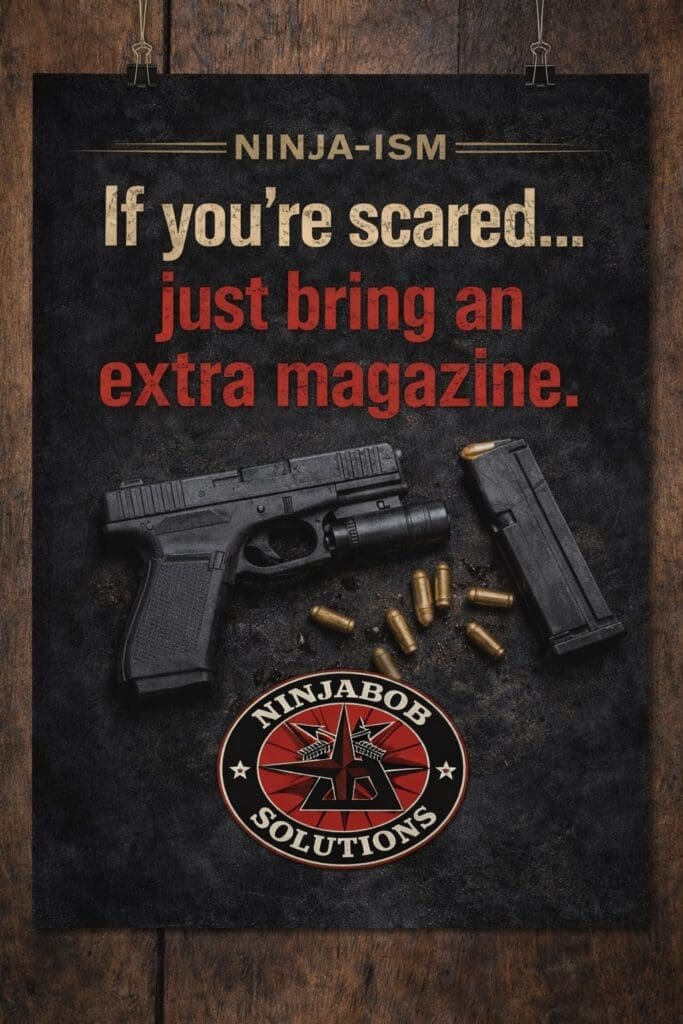
I looked at them and gave them a simple answer: “If you’re scared…bring another magazine.” Then I ended it where it needed to end: “The team is ready. Let’s go.”
Takeaways
If the situation feels dangerous—and the mission doesn’t allow avoidance—then you prepare for it. This isn’t bravado. It’s discipline. It’s about refusing to let fear dictate action. Fear is expected in high-risk environments. Letting it dictate action is not.
- Avoidance is unacceptable when the mission matters
- The answer is not retreat—it’s preparation
- You don’t eliminate danger—you stack capability against it
Environment: High-threat AO (IEDs, VBIEDs, daily contact)
Failure: Experienced operators defaulted to comfort over mission
Turning Point: leadership was confident in the capabilities of the team and re-established purpose and tempo.
Bottom Line “Fear is input. Not direction”
This is leadership under pressure. Fear was acknowledged. Excuses were presented. A decision was made. The response wasn’t recklessness (maybe a little sarcastic) – it was deliberate planning and decisive execution.
So how did it go? I’m glad you asked…
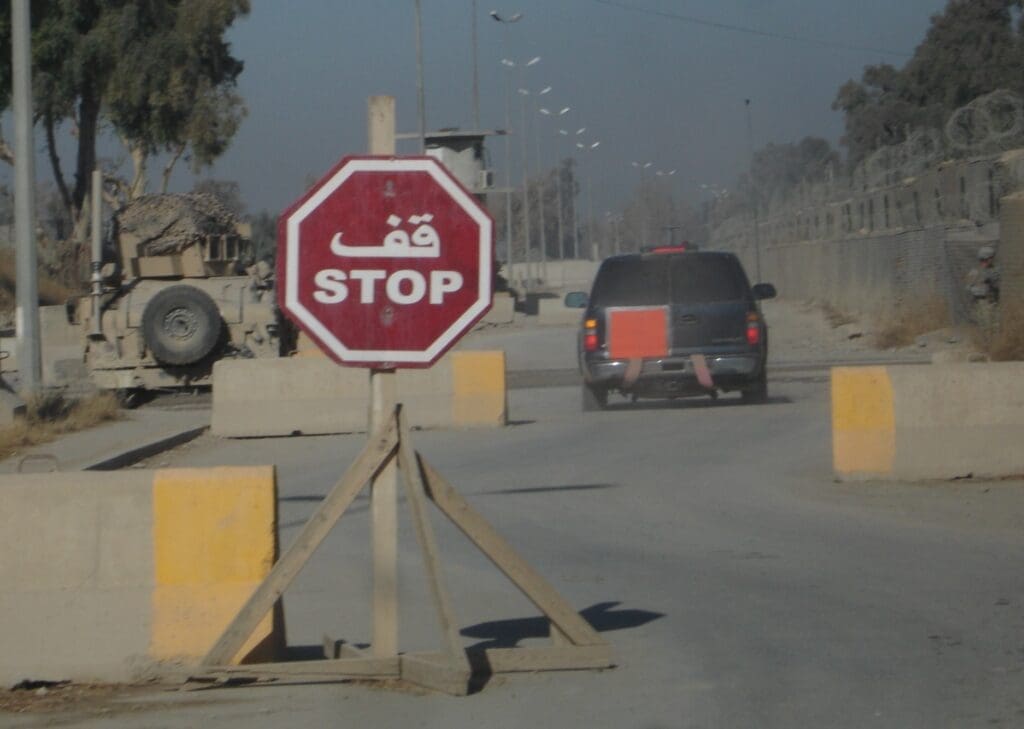
It was Mosul—during one of the most active periods for enemy activity. It was dangerous. That was made clear and was never in question. We identified two hostile checkpoints. Took contact. Received reports of a developing ambush. And we executed.
Pre-planned contingencies were put into action. The team adapted, maintained control, and returned to base with exactly what we went out for—ground truth. All personnel accounted for. All equipment accounted for. Mission accomplished.
Charlie Mike[i].
That is my story about leadership in a high-threat environment – but at its core, it’s really about preparedness, and my confidence in our team’s preparedness. It’s not realistic to live your life in isolation, and it’s no way to live in fear. The answer is awareness. Be aware of the threats in your environment and be prepared. It’s a continuous process.
You may live in a good neighborhood—but what about:
- Your place of work?
- The route between Point A and Point B?
- Your regular stops—gas stations, grocery stores, ATMs?
- Is the vehicle that you rely on for your daily activities at 100%? Without going to your vehicle to check, what’s your fuel level reading? Be honest. Oil level reading? How about tire pressure?
Those everyday places are where complacency and unpredictability exists. Make an honest assessment of your environment and your level of preparedness to respond to a logical incident. If you choose to carry a sidearm, ask yourself: Is one magazine enough? That answer depends on your environment, your level of training, your perceived threat and your willingness to prepare. Only you can make that call and it’s up to you to be prepared.
But understand this – equipment alone is not the solution.
Preparation requires discipline:
- Get to the range often
- Build efficiency with your weapon system
- Stay aware of your surroundings
- Maintain some level of physical fitness
- Pay attention to crime trends where you live and where you’re going
Do your homework.
You don’t need to be in a warzone for danger to exist. Crime happens—more in some places than others, and at different times of day. Being prepared isn’t about paranoia—it’s about responsibility. The more disciplined you are in preparing for the most likely scenarios, the more capable you’ll be when something unexpected happens.
Because when life takes a sudden turn…you won’t have time to prepare. You’ll rely on what you’ve already built. The time to prepare is now.
Benefits of Carrying an Extra Magazine
Increased Readiness and Capacity
- More Rounds: An extra magazine provides additional ammunition, which can be crucial in a high-stress situation.
- Quick Reloads: It allows for faster reloading, helping to clear malfunctions or jams effectively.
- Peace of Mind
- Confidence Boost: Carrying a spare magazine can enhance your sense of security, especially in high-risk environments.
- Preparedness: Knowing you have extra capacity can help you stay focused and alert.
Drawbacks of Carrying an Extra Magazine
Added Bulk and Weight
- Comfort Issues: An extra magazine can add weight, making your carry setup less comfortable, especially in warmer weather.
- Concealment Challenges: It may print under clothing, drawing unwanted attention.
- Overcomplication
- Simplicity Matters: A minimalist approach can be more effective. Carrying too much gear can slow you down and discourage daily carry.
How to Carry an Extra Magazine
Carry Options
- Pocket Carry: Common but can be slow and inconsistent. Ensure nothing else is in the pocket to avoid complications.
- Holster or Carrier: Using a dedicated magazine carrier is the most reliable method. Options include inside-the-waistband (IWB) or outside-the-waistband (OWB) carriers.
- Mag Clips: A magnetic clip that holds the magazine securely, offering a low-profile carry option.
Choosing to carry an extra magazine is about balancing preparedness with practicality. Consider your lifestyle and comfort when making this decision.
What are the benefits of carrying an extra magazine for self-defense?
Carrying an extra magazine for self-defense increases your ammunition capacity, allowing for quick reloads in high-pressure situations, which can be crucial if your primary magazine malfunctions. It also provides peace of mind and confidence, knowing you are better prepared for unexpected encounters.
Carrying an extra magazine can enhance your everyday carry by providing increased readiness and the ability to quickly address firearm malfunctions, which adds a layer of preparedness. However, it may also introduce added bulk and complexity, potentially making your setup less comfortable and more challenging to conceal.
Alternatives to carrying an extra magazine include using a pocket, a dedicated magazine carrier or holster, or off-body storage in a bag or vehicle. Each method has its own pros and cons regarding accessibility and comfort.
Acknowledge your fears or the fears of others, assess the situation, decide and act
~ Ninja out!
[i] Charlie Mike is a military radio term derived from the NATO phonetic alphabet (C = Charlie, M = Mike) that stands for Continue Mission. It is used to instruct personnel to persist with their assigned objectives despite setbacks, casualties, equipment failure, or other adverse conditions.
Beyond its tactical definition, the phrase has evolved into a broader cultural symbol for resilience and perseverance. It is frequently adopted by veterans’ organizations, such as the nonprofit Charlie Mike, and in civilian leadership contexts to mean “don’t quit,” “keep going,” or “we aren’t done yet,” emphasizing the importance of pushing through challenges in both military operations and daily life.
[i] QRF stands for Quick Reaction Force (or Quick Response Force), which is an armed military unit designed to respond to developing threats, emergencies, or requests for assistance within a very short time frame, often 10 to 15 minutes or less.
[ii] “Rip It” is an American energy drink, that was very common and popular on American bases in Iraq…a brand introduced in 2004 by National Beverage Corp., the same company behind Shasta, Faygo, and La Croix. Marketed as “energy fuel at a price you can swallow,” Rip It is known for its affordability, often priced around $1 per can, making it a popular “bare-budget” option among consumers.
[i] “All statements of fact, opinion, or analysis expressed are those of the author and do not reflect the official positions or views of the US Government. Nothing in the contents should be construed as asserting or implying US Government authentication of information or endorsement of the author’s views.”
[ii] Forward Operating Base (FOB) Marez was a major U.S. military installation located near the Mosul International Airport in Mosul, Iraq, originally serving as the rear command post for the 101st Airborne Division before being renamed from Camp Performance and Fire Base Glory in early 2004. The base, which housed over 4,000 personnel including U.S. troops, contractors, and Iraqi soldiers, was the site of the deadliest single suicide attack on a U.S. military installation during the Iraq War on December 21, 2004.
On that date, a suicide bomber disguised in an Iraqi security uniform infiltrated the base’s dining hall and detonated an explosive vest, killing 22 people (including 14 U.S. soldiers, 4 U.S. civilians, and 4 Iraqi soldiers) and injuring 72 others. The Army of Ansar al-Sunna claimed responsibility for the attack, which remains the single deadliest suicide bombing against U.S. forces in Iraq, and a subsequent investigation confirmed the bomber entered through a fence breach rather than a gate.
The base also saw a significant attack on April 10, 2009, when a truck bomb detonated outside the perimeter, killing five U.S. soldiers; this incident was later linked to Faruq Khalil Muhammad ‘Isa, who was extradited to the U.S. in 2015 for orchestrating the attack from Canada. Throughout its occupation, FOB Marez functioned as a hub for training Iraqi security forces and housed over 300 structures, including the ruins of the ancient St. Elijah Monastery.
FOB Diamondback was a United States Army forward operating base located at Mosul International Airport in northern Iraq, occupying the eastern side of the airfield while FOB Marez was situated to the west. Established in 2003 by the 101st Airborne Division during Operation Iraqi Freedom, the facility served as a major logistics hub, a combat outpost, and a training center for Iraqi police and security forces.
[iii] Merriam-Webster defines “the scoop” as information about something that is currently important or interesting to many people.
[iv] 2IC most commonly stands for Second-in-Command, a leadership title denoting the second-highest authority in an organization or team. Originally a military term used in the British Army, Royal Navy, and other Commonwealth forces, it refers to the deputy commander who steps in when the primary leader is absent. In modern business contexts, a 2IC acts as a trusted deputy or COO, managing day-to-day operations, ensuring business continuity, and serving as a key part of succession planning.
[v] WARNO is a military abbreviation for Warning Order. It serves as a preliminary command message used to alert subordinate units that an operation or mission change is imminent, allowing them to begin essential preparations before a formal Operations Order (OPORD) is issued.
[vi] Area Familiarization (AFAM) refers to the process of gaining a comprehensive understanding of a specific geographical location, particularly for operational purposes in military, emergency response, or intelligence contexts. It involves studying the terrain, infrastructure, local population, customs, and potential hazards to ensure effective and safe operations. This process is critical in:
- Military operations for strategic planning, navigation, and mission success.
- Clandestine operations to enable operatives to blend in and move discreetly.
AFAM ensures personnel are prepared for on-the-ground realities, reducing risks and improving decision-making during missions.
[vii] An Improvised Explosive Device (IED) is a bomb constructed and deployed in ways other than in conventional military action, typically using non-military components or scavenged materials to cause damage, casualties, or disruption. While the term originated with the British Army during the Northern Ireland conflict, it entered common usage during the Iraq War and is now a leading cause of death and injury in armed conflicts. IEDs generally consist of five main components: a switch (activator), an initiator (fuse), a container (body), an explosive charge, and a power source. They are versatile weapons that can be delivered via various methods.